
Most refrigeration overspend comes from blurred boundaries. When service is treated like a project, you end up paying for upgrades you did not need yet. When projects are treated like service, you keep patching a system that needs redesign, and you pay for it in downtime, energy waste and repeat call-outs. For CFOs, estate teams and Technical Directors, the distinction matters because it changes forecasting, risk control and how reliably sites keep running.
Commercial Refrigeration Solutions is a lifecycle, not a single activity. Service protects performance within the existing design. Projects change capability, compliance position or capacity. When those two are mixed, budgets become reactive, and decisions get driven by the last failure rather than the real condition of the plant.
What “Service” means in real terms
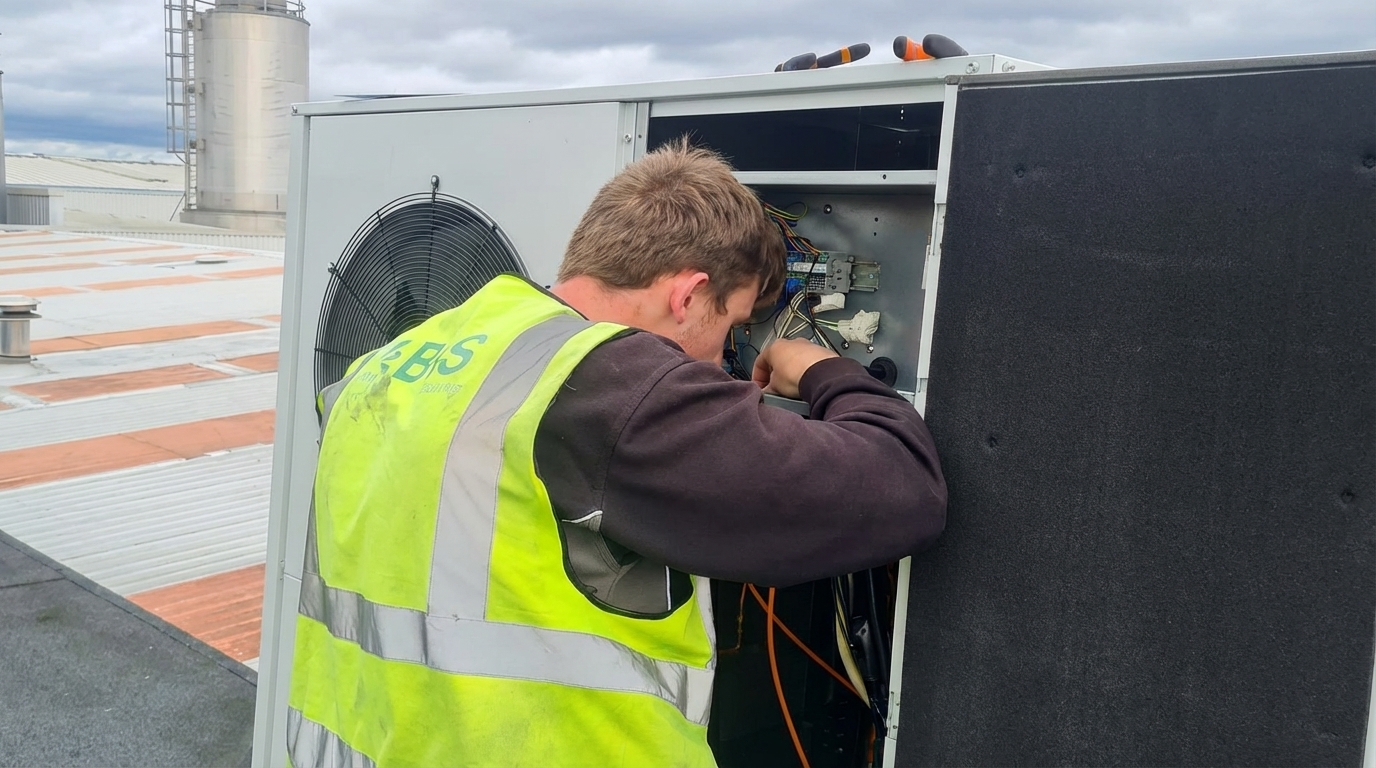
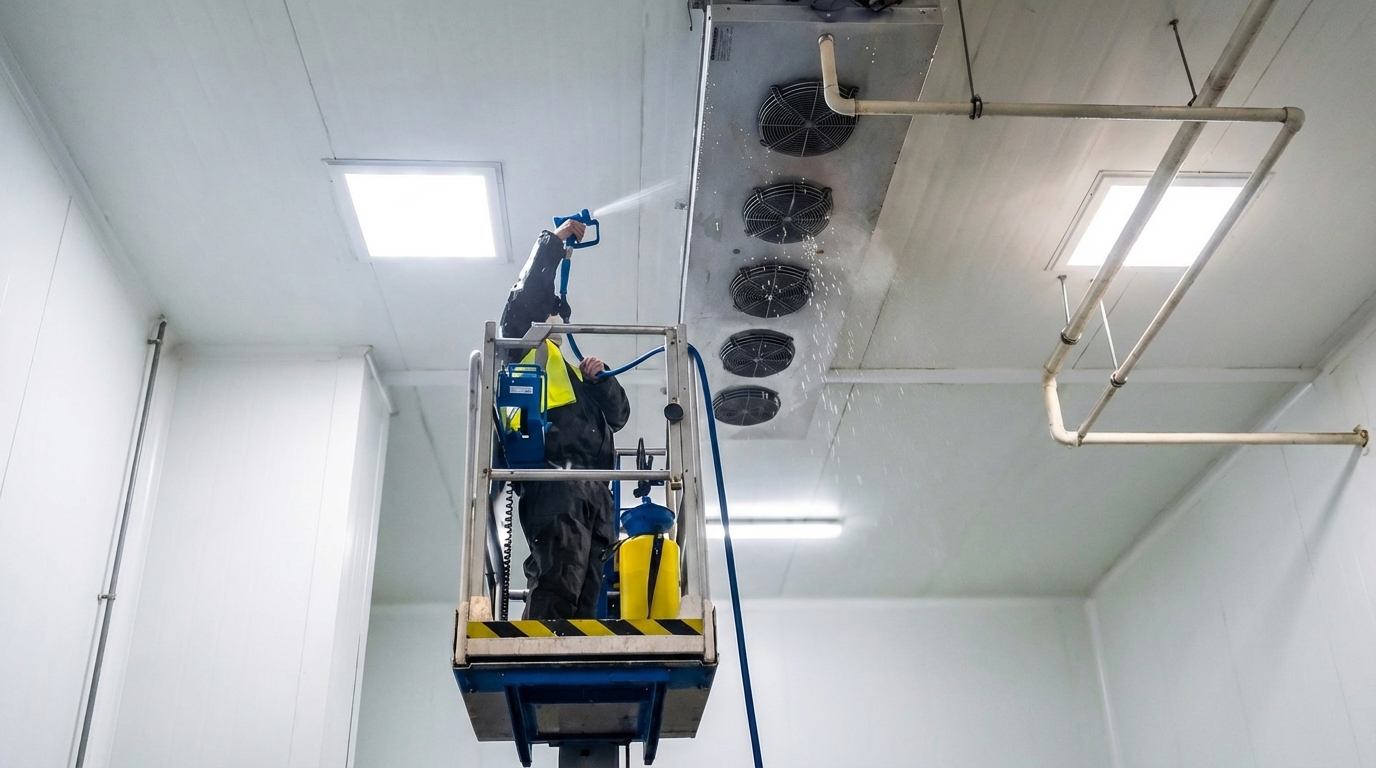
Service is the work that protects what you already own. It keeps the system within spec, lowers failure likelihood and maintains efficiency without changing the design intent. That typically includes inspections, compliance checks, cleaning, calibration, minor replacements and recording key readings so deterioration is visible early rather than discovered during a breakdown.
For finance, the value is predictability. Service done properly reduces volatility because fewer faults turn into emergency spend and unplanned downtime. This is where Planned Preventative Maintenance (PPM) earns its place, provided it reflects operating hours, hygiene risk, environment and asset criticality rather than a generic checklist applied everywhere.
Planned Preventative Maintenance (PPM) as a cost-control lever
PPM is often framed as “good practice”, but it is also a control mechanism. In cold rooms, chilled production and process cooling environments, a small drift can become a stock loss event, a compliance headache, or a credibility problem with customers. A structured PPM plan reduces the likelihood of high-impact failure and gives you a clear maintenance record that stands up internally and externally.
The key is targeting the failure modes that drive repeat call-outs: coil fouling, fan wear, control drift, refrigerant losses and electrical hotspots. The commercial outcome is straightforward: fewer repeat issues, less disruption, and fewer parts replaced under pressure.
What “Projects” means, and why it is different
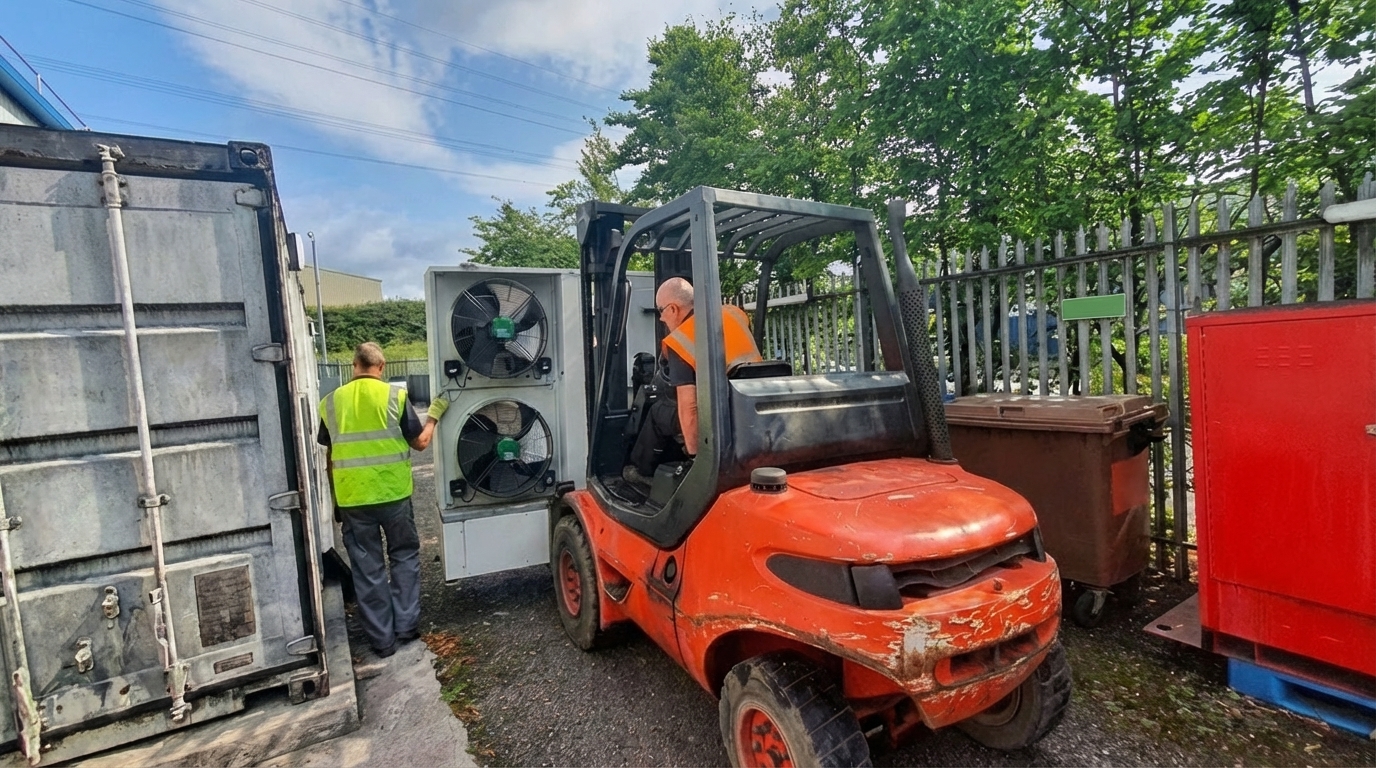
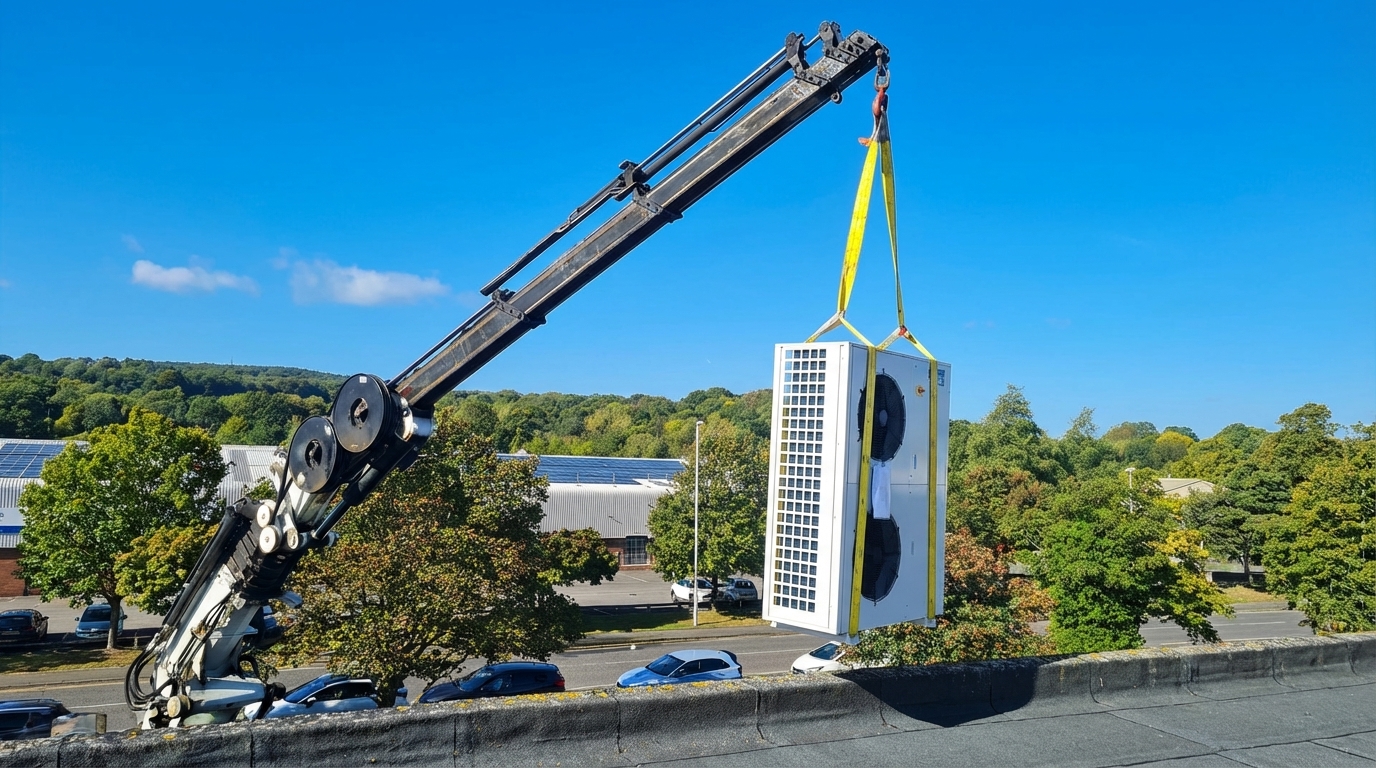
Projects change the system. They deliver new capacity, resilience, compliance position or operating efficiency that the existing plant cannot realistically provide. This includes refrigeration system design and installation, plant replacement, major upgrades, control modernisation and plant room changes driven by growth, site redevelopment or new process requirements.
Projects should be judged on delivered capability and lifecycle value, not only the initial cost. If a site is consistently running at the edge of capacity, incremental fixes tend to get expensive because they never remove the design constraint. This is where bespoke cooling plant engineering usually pays back, because it aligns the design to real load profiles, ambient conditions and operational constraints, which improves stability and reduces the ongoing maintenance burden.
The hidden cost of mixing service and projects
When service and projects are mixed, businesses often pay twice. First, through reactive service spend as the system struggles, then through a rushed project when the failure becomes unacceptable. Without a basic refrigeration life cycle management approach, capex becomes forced instead of planned, and procurement gets harder because scopes and outcomes are unclear.
Accountability also weakens. Service should be measured by up time, compliance completion and trend improvement. Projects should be measured by performance against design, commissioning quality, documentation and delivered resilience. When those scorecards blur, it becomes difficult to know whether you are buying protection for an asset or paying to compensate for a design limitation.
Refrigeration lifecycle management: how to run this like an asset
Refrigeration lifecycle management is how you scale control across sites and stabilise budgets. It separates predictable operating spend from planned renewal, using condition and criticality rather than reacting to the last failure. Practically, it starts with an accurate asset register, then a PPM and compliance plan that includes recorded readings, and finally a rolling renewal plan that flags likely replacement windows so investment is planned rather than forced.
This approach also improves decision-making. When you know what condition an asset is in and what risk it carries, you can choose the right intervention at the right time, and you can explain that choice clearly to both technical and commercial stakeholders.
A simple decision framework: service or project?
- Service stabilises and protects performance; projects change capability, capacity or compliance.
- Planned Preventative Maintenance (PPM) reduces unplanned spend when it reflects site conditions and asset criticality.
- Refrigeration lifecycle management separates predictable maintenance from planned renewal, improving budget accuracy.
- Refrigeration system design and installation decisions set long-term operating cost and resilience.
- Bespoke cooling plant engineering reduces ongoing risk by matching the plant to real loads and constraints.
If the goal is restoring performance within the original design intent, it is service. If the goal is changing capacity, resilience, compliance position or operating cost beyond what the current design can deliver, it is a project. If you keep paying for the same faults, or “managing it closely” becomes the plan, that is often the signal that a properly scoped project will cost less than another year of firefighting.
If you’re planning work across both areas, speak to us about structuring it properly.