Service-led Commercial Refrigeration Solutions: why service is the profit lever
Most organisations treat refrigeration service as a necessary overhead. Then the first major failure lands, stock is at risk, production is disrupted, and the annual “maintenance savings” gets wiped out in a week. Service-led Commercial Refrigeration Solutions flips that equation. It uses planned work, condition data, and disciplined decision-making to keep the plant stable, protect compliance, and make costs more predictable across an estate. That shift matters to CFOs because it reduces volatility, and to Technical Directors. After all, it reduces firefighting, and to Estate and Portfolio Managers because it turns refrigeration into an asset strategy rather than a rolling crisis.
Service also creates leverage for growth. Service contracts build recurring revenue, strengthen relationships, and typically lead to larger project work when systems reach the right point in their lifecycle. A service-first approach is often the most commercially sensible route for estates that want stability now, and planned upgrades later, rather than forced capital spend after a failure.
Key Takeaways
- Service-led Commercial Refrigeration Solutions reduce unplanned downtime and stabilise budget forecasting.
- Planned Preventative Maintenance (PPM) works best when it is built around criticality, condition and operating environment, not a generic checklist.
- Refrigeration lifecycle management prevents overspend by separating predictable service cost from planned renewal and upgrades.
- Refrigeration system design and installation decisions improve when they are informed by service data rather than assumptions.
- Bespoke cooling plant engineering is often the sensible option when sites run outside standard design assumptions.
What “service-focused” actually means.
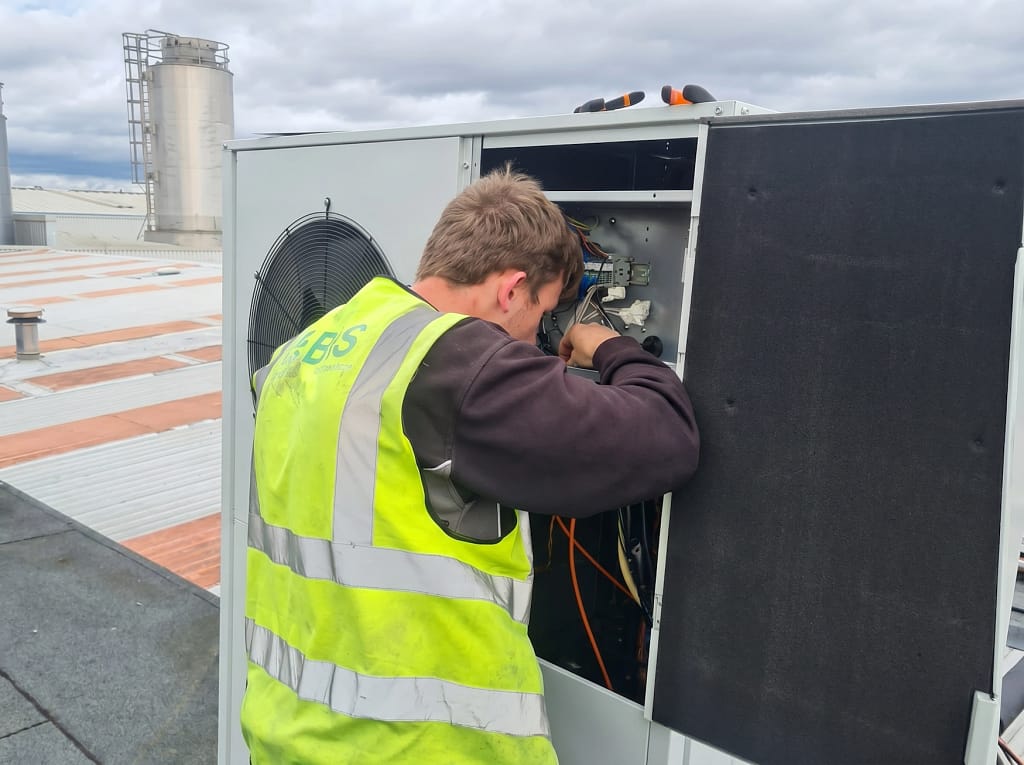
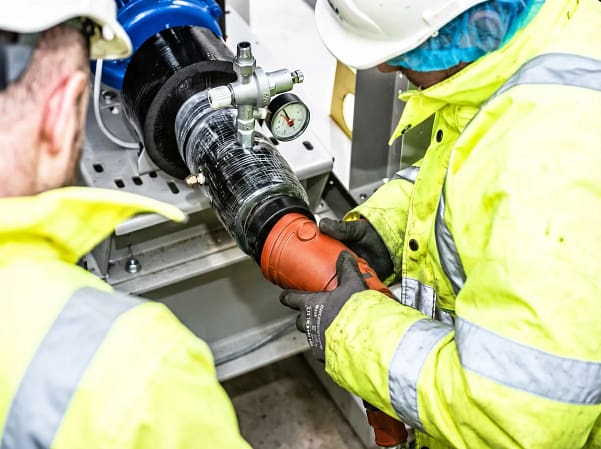
Service-focused does not mean “cheaper call-outs” or “more visits”. It means the service programme is designed to protect business outcomes: uptime, compliance, energy performance and risk control. In practice, that typically includes a structured PPM plan, documented compliance tasks, and a method of capturing readings so you can spot drift early. The difference is that the service activity produces usable information, not just a job sheet, and that information drives decisions on what to fix now, what to monitor, and what to plan for replacement.
This distinction is critical because planned service spend is controllable while reactive spend is punitive. Every unexpected failure tends to trigger premium labour, rushed parts, and disruption costs that never appear on the engineer’s invoice. Service-led programmes reduce those spikes by moving work into planned windows, improving response readiness, and preventing repeat failure modes from rolling back around every few months.
The ROI model CFOs actually care about
Downtime avoidance is the headline, but volatility reduction is the win.
Downtime is easy to explain internally. Volatility is what really damages budgets. When refrigeration is unstable, you get unplanned work, rushed procurement, and short-term decisions that create long-term costs, such as replacing the same components repeatedly because the root cause was never corrected. A service-led programme reduces that exposure by building predictable work into the calendar, defining performance baselines, and acting earlier when readings start to drift.
Service-led planning also makes contractor management easier. It allows you to standardise expectations across sites, use consistent reporting, and compare performance across assets rather than relying on whichever site shouted loudest that month. It also prevents the classic problem where one site “looks fine” until it fails, because you are not relying on visual checks or reactive alarms as your only indicators.
Planned Preventative Maintenance (PPM) that earns its keep
Why generic PPM fails
A generic PPM checklist creates the appearance of control, but rarely changes outcomes. It treats all assets as equal, regardless of criticality and environment. A small cold room does not carry the same risk as a process chiller supporting production. A clean plant room does not behave like a flour-heavy bakery environment where coils and airflow degrade faster. If the PPM plan is not matched to reality, the highest-cost failures still happen, and PPM becomes something people tolerate rather than something that protects the operation.
What a good PPM looks like
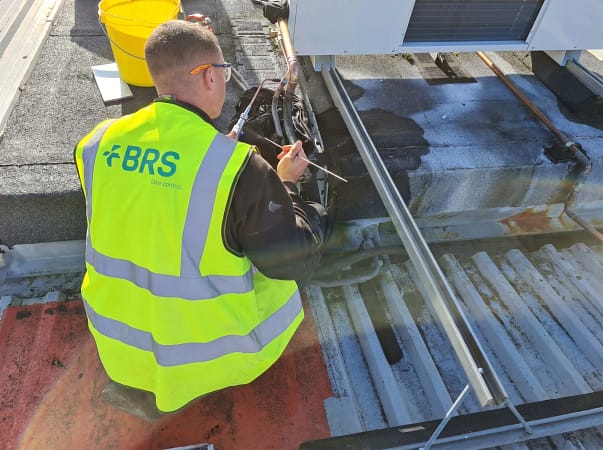
Good Planned Preventative Maintenance (PPM) is built around criticality, condition and trend. You prioritise assets that carry production risk, you record readings that tell you whether performance is holding, and you trend those readings so slow degradation becomes visible before it becomes a breakdown. This is also where consistency matters, because you want a PPM schedule that is repeatable and auditable rather than improvised, and you want remedial actions to be clear enough that a different engineer can pick up the story without starting from scratch.
Commercially, the “so what” is that good PPM prevents predictable failure modes: airflow restriction, poor heat transfer, electrical hotspots, refrigerant losses, and control drift. Those failure modes usually show up first as efficiency loss, nuisance faults and unstable temperatures, before they become a full outage. Catching them early improves uptime and stops energy performance from quietly sliding in the background.
Refrigeration lifecycle management: the difference between service and strategy
Stop mixing service cost with renewal cost.
Many organisations run refrigeration as one blended cost line. That is where overspend starts, because planned maintenance, reactive repairs, and capital replacement all get lumped together and then judged as “high spend”. Refrigeration lifecycle management separates these elements so you can make smarter decisions: what is routine, what is deterioration, and what is end-of-life. Once you can see those layers clearly, you can plan capital spend in advance instead of being cornered into a replacement when a system finally fails.
A practical lifecycle approach starts with an accurate asset register, then assigns criticality and known risk, and then defines a service regime aligned to the asset’s role and condition. From there, you build a rolling renewal plan that flags likely replacement windows so investment becomes planned rather than forced. This is where CFOs gain budget predictability, and Technical Directors gain control, because the conversation shifts from “what just broke” to “what is the next best decision”.
Service data makes projects more effective.
Service-led organisations get better outcomes from projects because they stop guessing. When service records are consistent, you can make better decisions about refrigeration system design and installation when renewal or expansion is needed. Load, duty cycles, redundancy requirements and failure history become evidence-led, which improves specification quality and reduces the risk of repeat design limitations following you into the next system.
When bespoke cooling plant engineering is the sensible option
Standard designs work when sites behave like the assumptions behind the design. Many do not. Food manufacturing, process environments and mixed estates can have variable loads, unusual ambient challenges, or constraints that create knock-on issues across the system. In those scenarios, bespoke cooling plant engineering is often the lowest-risk route because it aligns the plant to the actual operating reality rather than forcing the site to live with compromise.
The commercial upside is that bespoke engineering can reduce the ongoing service burden. You see it in fewer alarms, fewer emergency call-outs, better stability, and a clearer maintenance profile because the system is designed to operate within its limits, even when the site load changes through seasons, shifts, or production demand.
What to ask your service provider before you commit
A service-led contract should give clarity on what is included in PPM and what is classed as remedial work, which readings will be recorded and trended, how compliance is evidenced, and how repeat faults are escalated into improvement actions rather than being treated as isolated incidents. You should also expect to see a clear distinction between service work that protects current performance and project work that changes capacity, resilience or operating cost, because that separation is what makes lifecycle planning possible.
If you want service-led Commercial Refrigeration Solutions that stabilise costs, protect uptime and give you a clear lifecycle view across your estate, speak to us about structuring it properly.


